MODAL ROBOTICS

QC pipeline live · 5 supply partners shipping

AI has learned to think.

It has not yet learned to move.

Modal Robotics is the data enablement layer for physical AI.

Scroll

01The gap

THE ONE THING
IT CAN'T SCRAPE.

GONE.
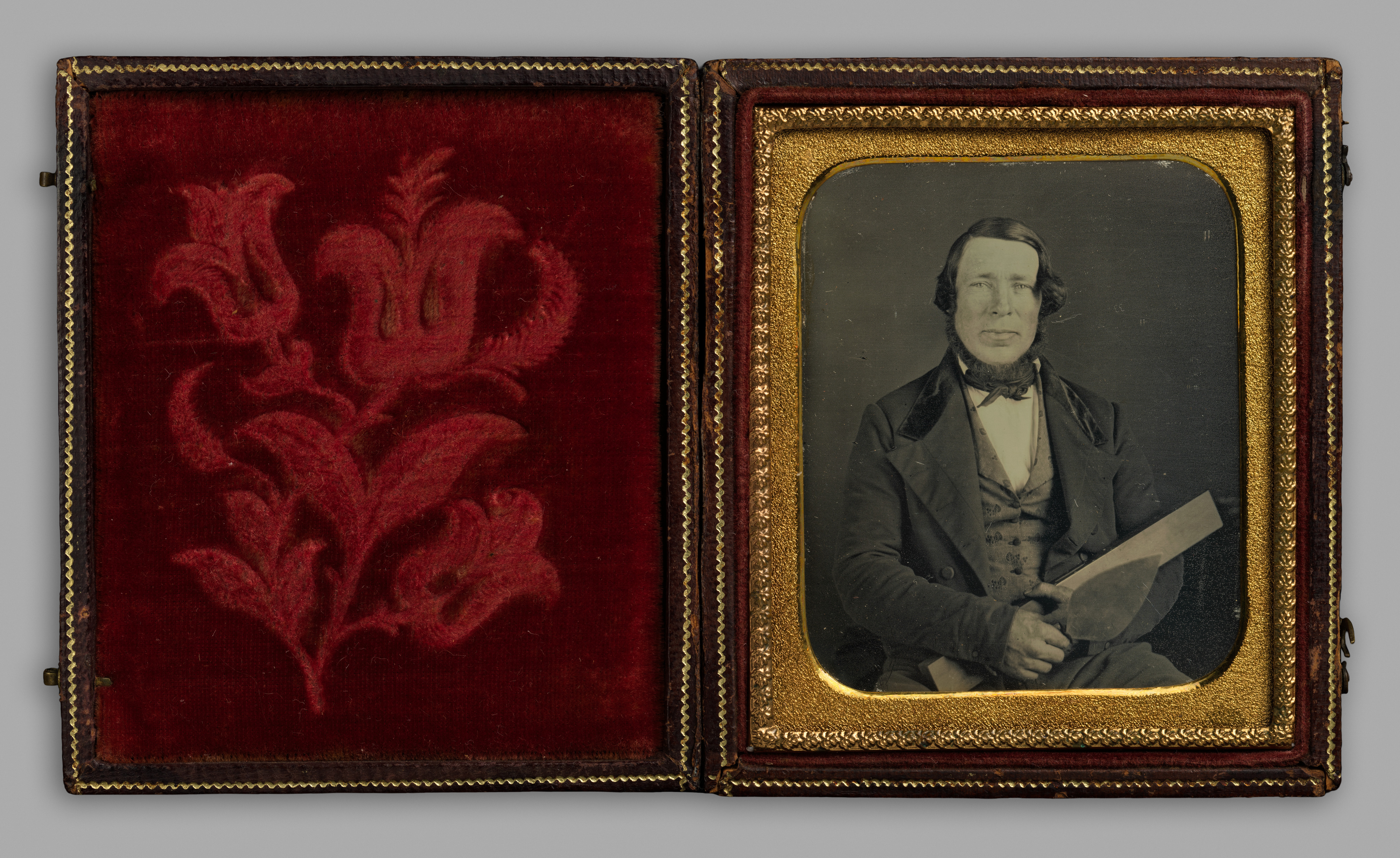
A mason photographed holding a trowel, mid-1850smason · trowel · c.1850

The data lives in every factory, shop, kitchen, farm and field on Earth. Today, almost all of it vanishes the moment the work is done. It does not exist on the internet, because it never needed to. Modal Robotics captures it, makes it usable, and puts it to work.

02Think / Move

The gap, in two words.

Today, physical-world data is bought by a small circle of foundation labs, the mainframe customers of this era. Tomorrow, every shop, farm and field crew on Earth gets paid to supply it, and every robot that uses it disappears into the job the way a server disappears into a website. Three audiences. One layer underneath all of them.

THINKWhat the internet gave it
MOVEWhat Modal Robotics gives it

03Platform

A kit, an app, a standard.

First, you show it the job.

Capture a mason in Jaipur records one real smoothing pass with the kit's camera and IMU strap. No engineers, no training budget.
QC + Package Modal Robotics verifies the clip, tags it against the six-part taxonomy, and packages it to spec.
Then, a lab asks for it.

Request 4,000 clips of kitchen prep, egocentric video and depth, delivered inside thirty days.
Rights + Payment consent is cleared, and the cook who supplied the clip is paid again every time it's used.

The finished result: one pipeline, end to end

  1. 01Capturethe work, once
  2. 02QCchecked against spec
  3. 03Packagetagged, structured
  4. 04Rightsconsent, cleared
  5. 05Paymentthe supplier is paid
  6. 06Deliveryto the lab's spec

04Hardware

Steerex-1. The rig we build ourselves.

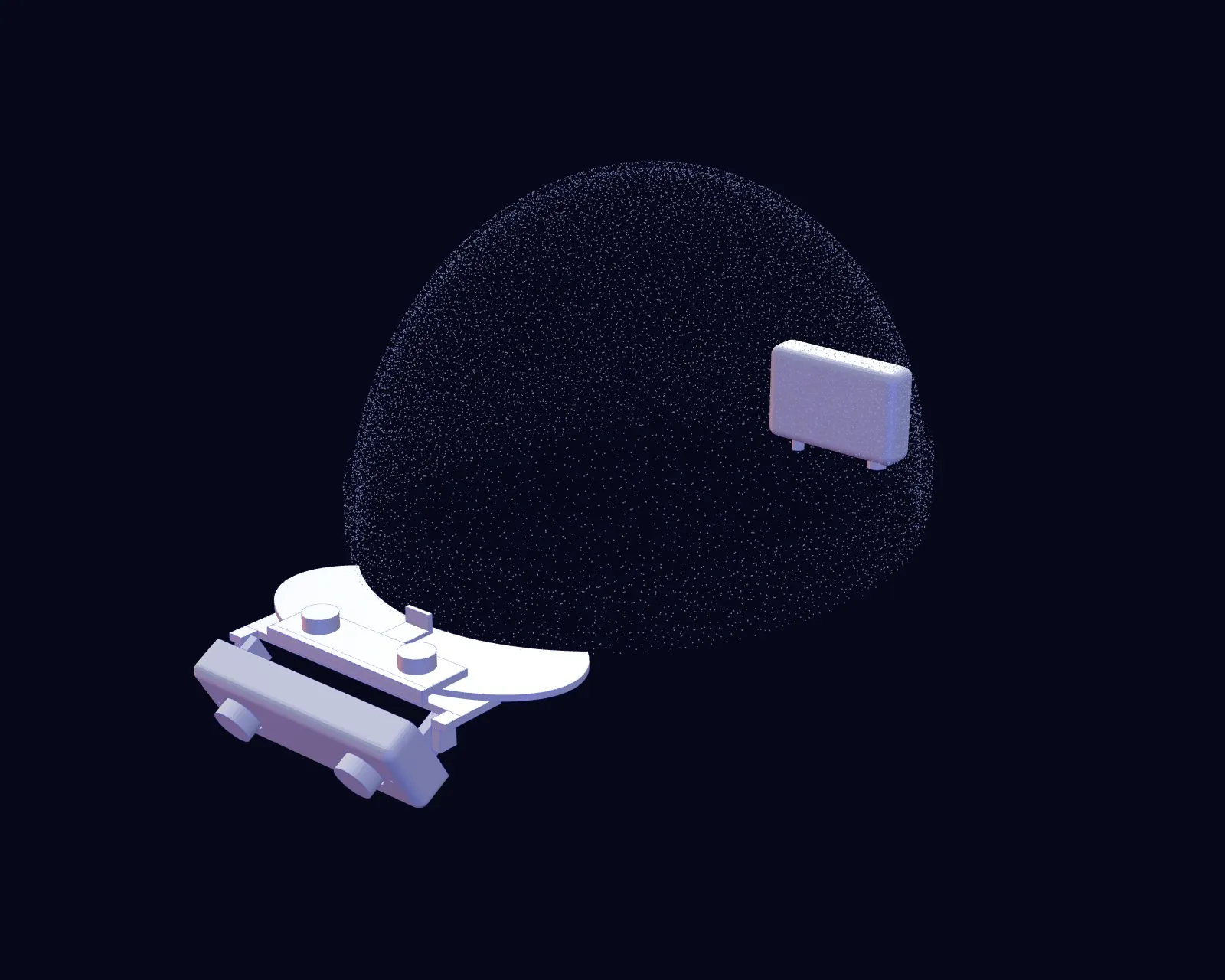
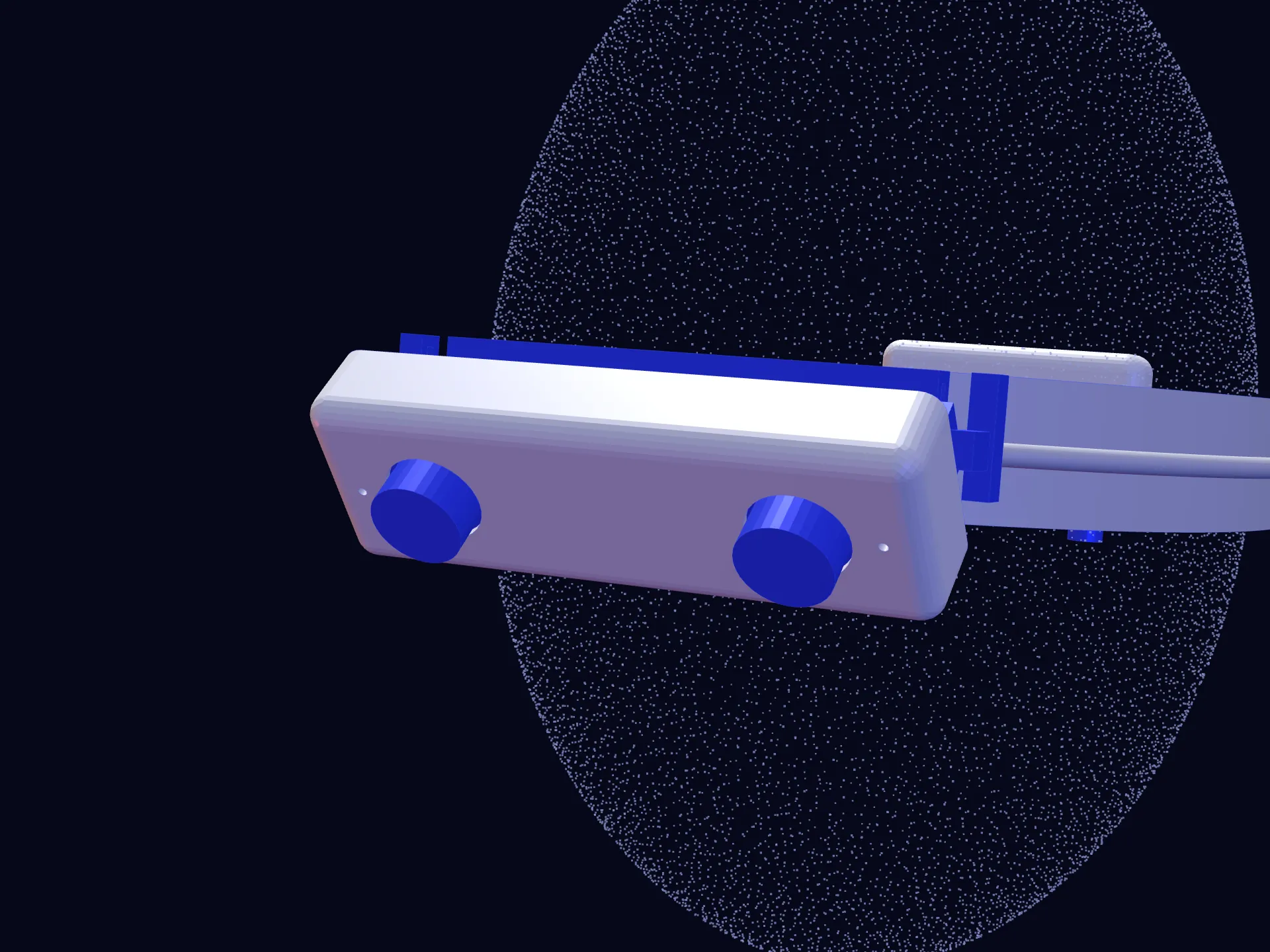
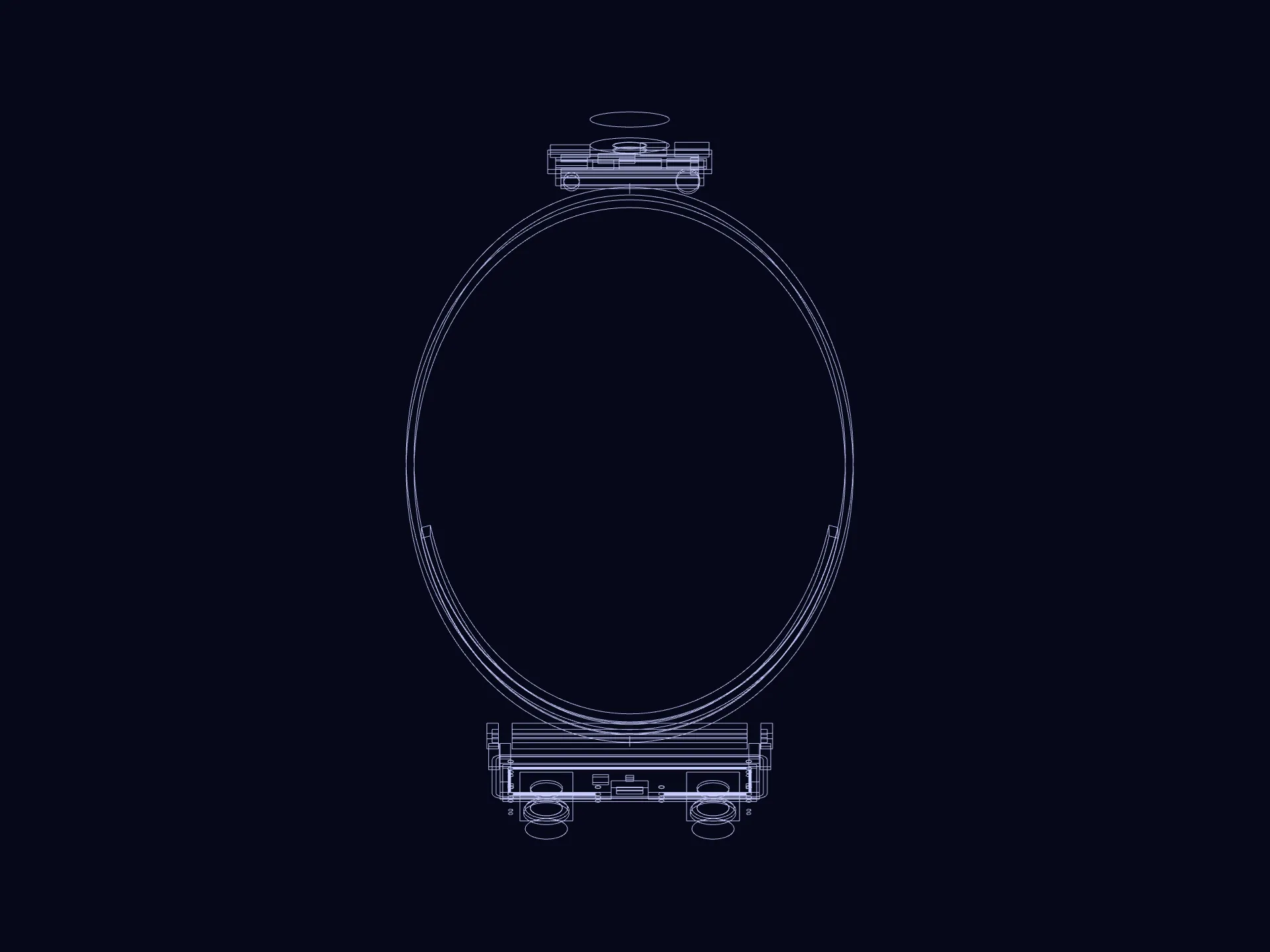
A head-worn stereo capture rig, designed in-house. A sensor bar up front, a compute pod at the back, one headband between them, and one clock behind every frame, motion sample and sound.

  1. 01

    Sensor bar

    Two AR0234 colour cameras, an IMU, a magnetometer and two microphones, on one 96 × 26 mm board.

  2. 02

    Compute pod

    A Forlinx FET1126B-C at the back of the head. Both camera streams run to it over flat cable.

  3. 03

    Halo headband

    One band carries both halves. A hard-hat adapter clips the same head unit onto a site helmet.

  4. 04

    One clock

    A 30 Hz hardware trigger fires both cameras together, and every frame, motion sample and sound is timestamped on the same clock.

Close-up render of the Steerex-1 sensor bar: a white housing with two camera lenses, mounted on the halo headband.
Sensor barTwo cameras, one trigger.
Top-down line drawing of Steerex-1: the halo band with the sensor bar at the front and the compute pod at the back.
Plan viewOverall footprint, from the CAD model.
Steerex-1 in hard-hat mode: the sensor bar clipped to the brim of a hard hat, the compute pod at the back.
Hard-hat modeThe same head unit, on a site hard hat.

Spec sheet

Cameras
2× AR0234 colour, hardware-triggered
Frame trigger
30 Hz, three matched outputs, sub-ns skew
IMU
ICM-42688-P 6-axis, clock-locked to the board crystal
Magnetometer
LIS2MDL 3-axis
Audio
2× Knowles PDM MEMS mics
Timing master
STM32G431, Cortex-M4 at 170 MHz
Compute pod
Forlinx FET1126B-C (RV1126B)
Sensor board
96 × 26 mm, 4-layer
Mounting
Halo headband, hard-hat adapter
Expansion
External trigger port, reserved for wrist cameras

One clock every frame and sample timestamped in hardware

05For labs

Search the world's work.

  • ActorWho's doing it: a mason, a welder, a cook, a mechanic, a baker, a tailor.mason
  • ObjectWhat's in their hands: a trowel, a torch, a knife, a wrench.trowel
  • ActionWhat they're doing to it: smoothing, joining, plating, tightening.smoothing a wall
Actor
mason
Object
trowel
Action
smoothing a wall
Environment
construction site, Jaipur
State transition
rough → smooth
Modality
video + IMU
  • EnvironmentWhere it happens: a site, a workshop, a kitchen, a garage, a shop floor.construction site, Jaipur
  • State transitionWhat changes because of it: rough to smooth, loose to joined, raw to plated.rough → smooth
  • ModalityHow it's recorded: egocentric video, IMU, depth, audio.video + IMU

06Now

October 2026. This moment.

A handful of people in Bengaluru. A few rigs, five supply partners, a QC pipeline that works, the first labs paying, and a name on a page: Modal Robotics.

--:--right now in Bengaluru
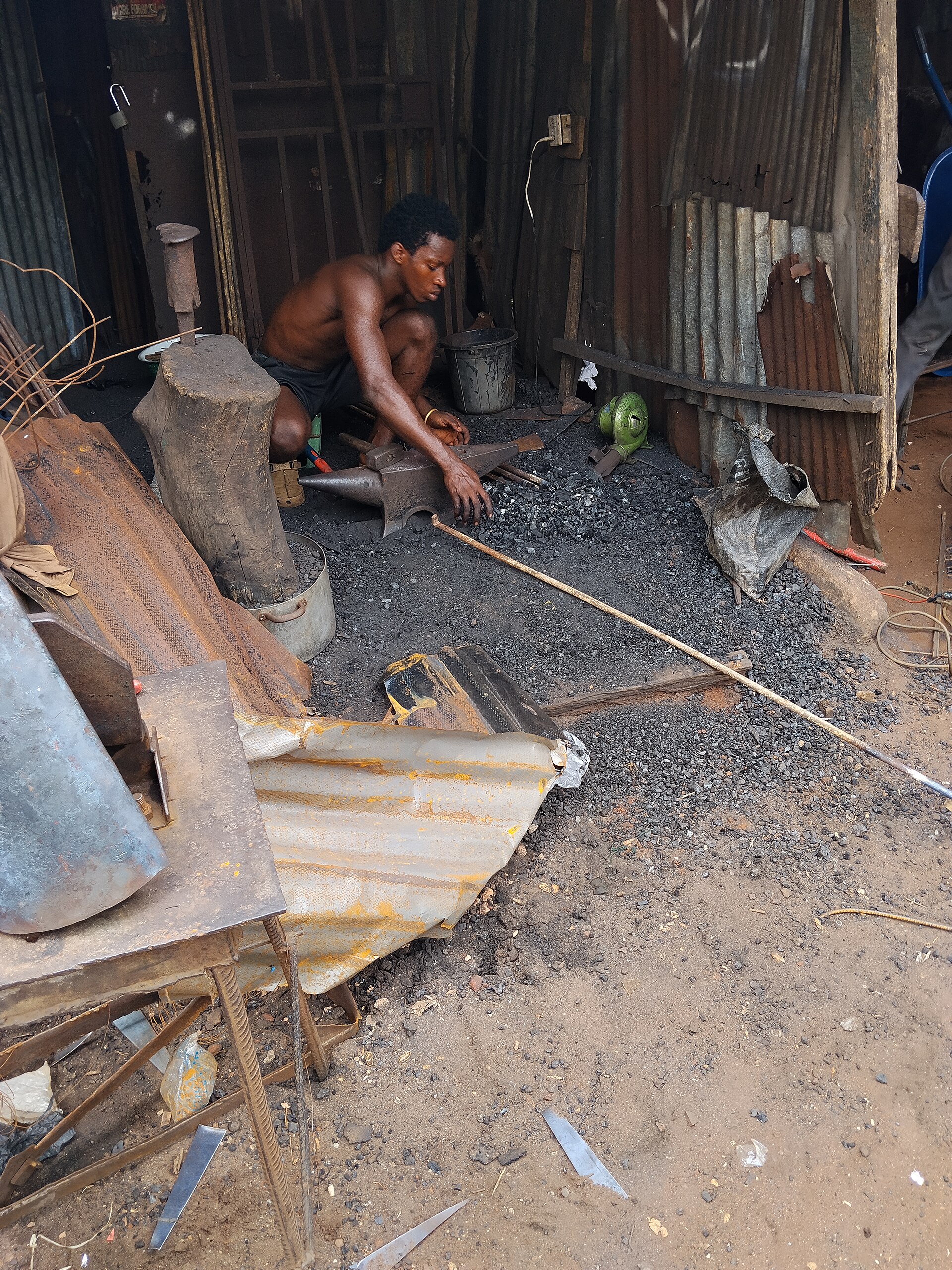
A blacksmith's workspace, tools and forge arranged for the day's workworkshop · forge
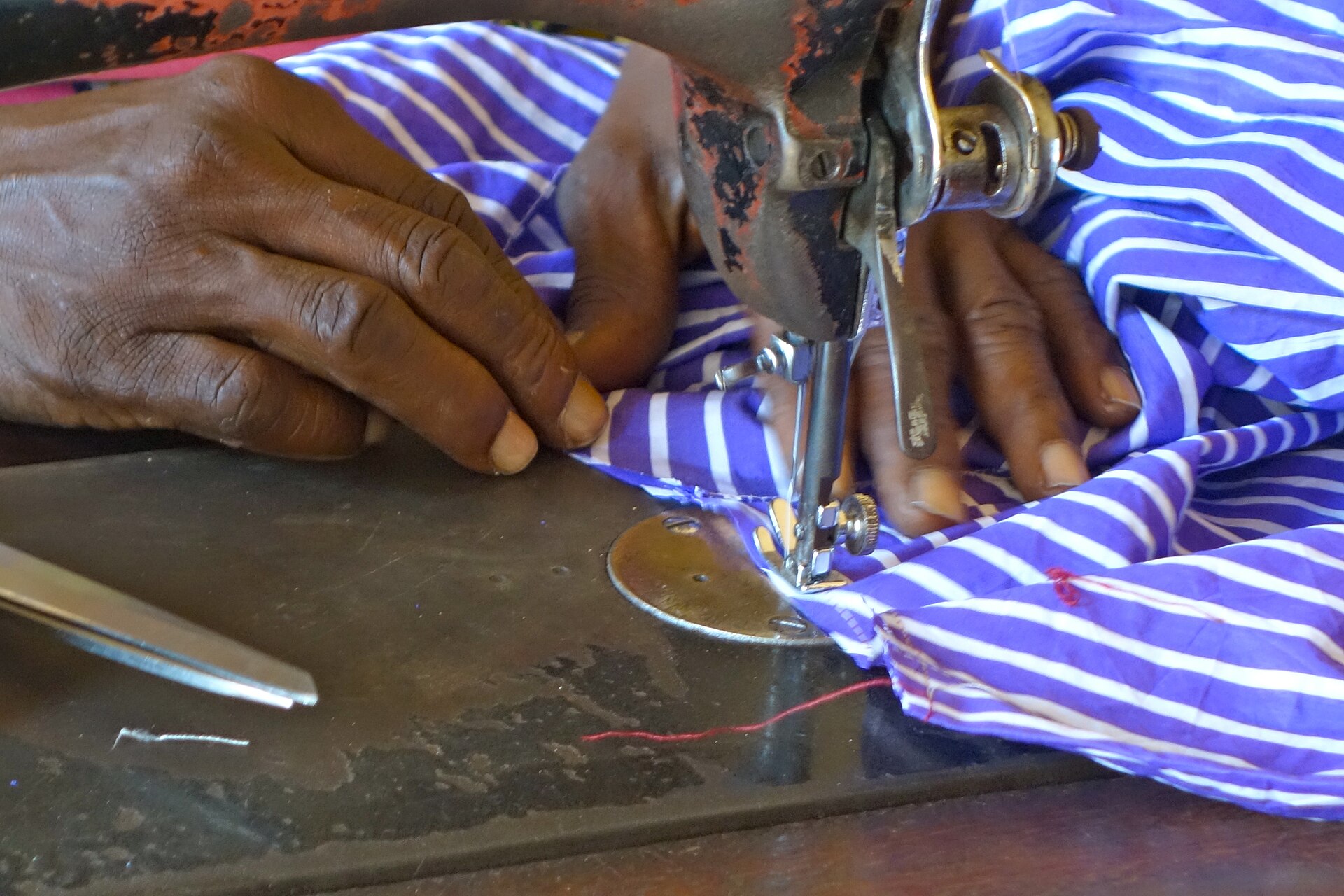
A tailor's hands guiding striped fabric through a sewing machinetailor · needle
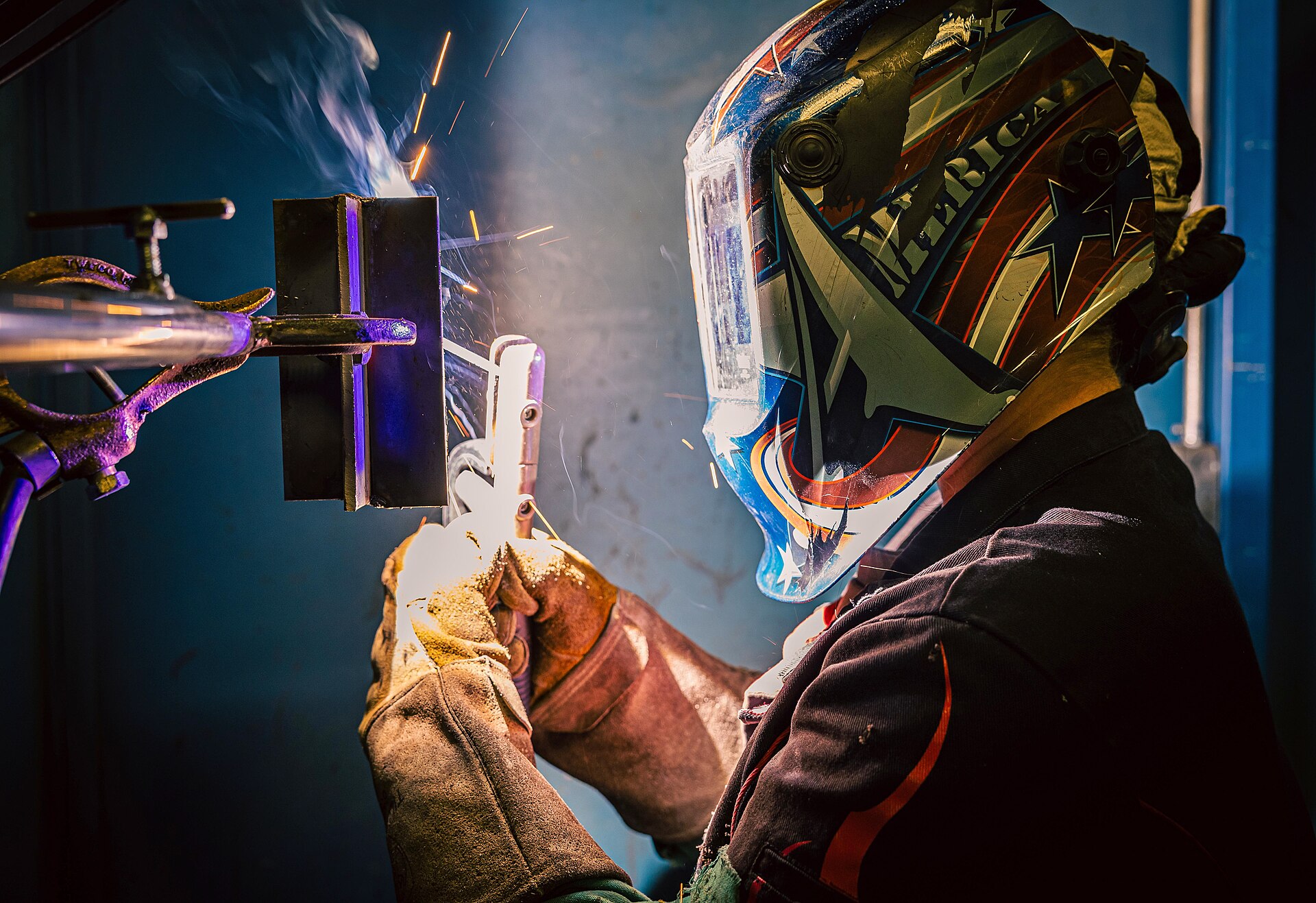
A welder in a helmet joining two metal pieceswelder · torch
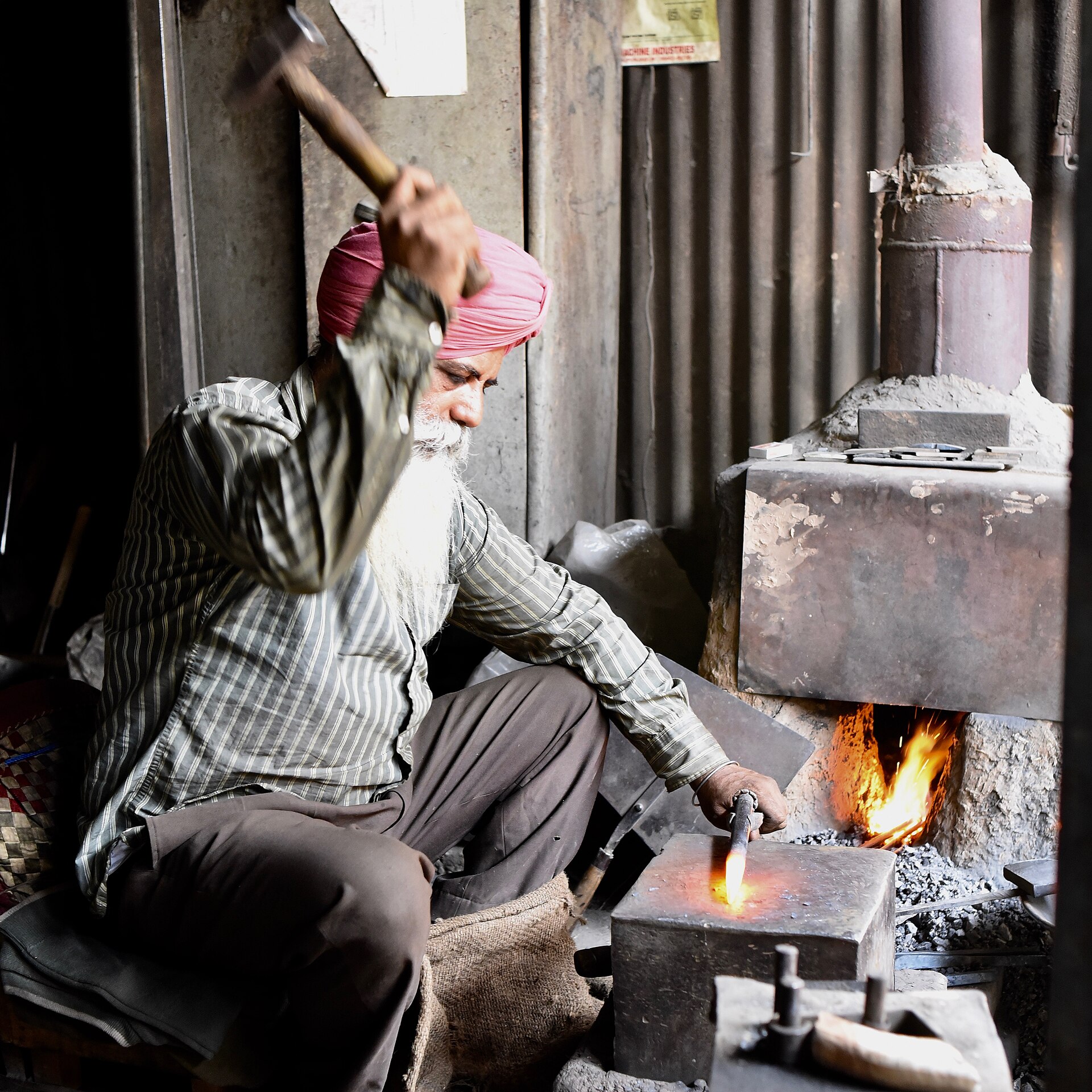
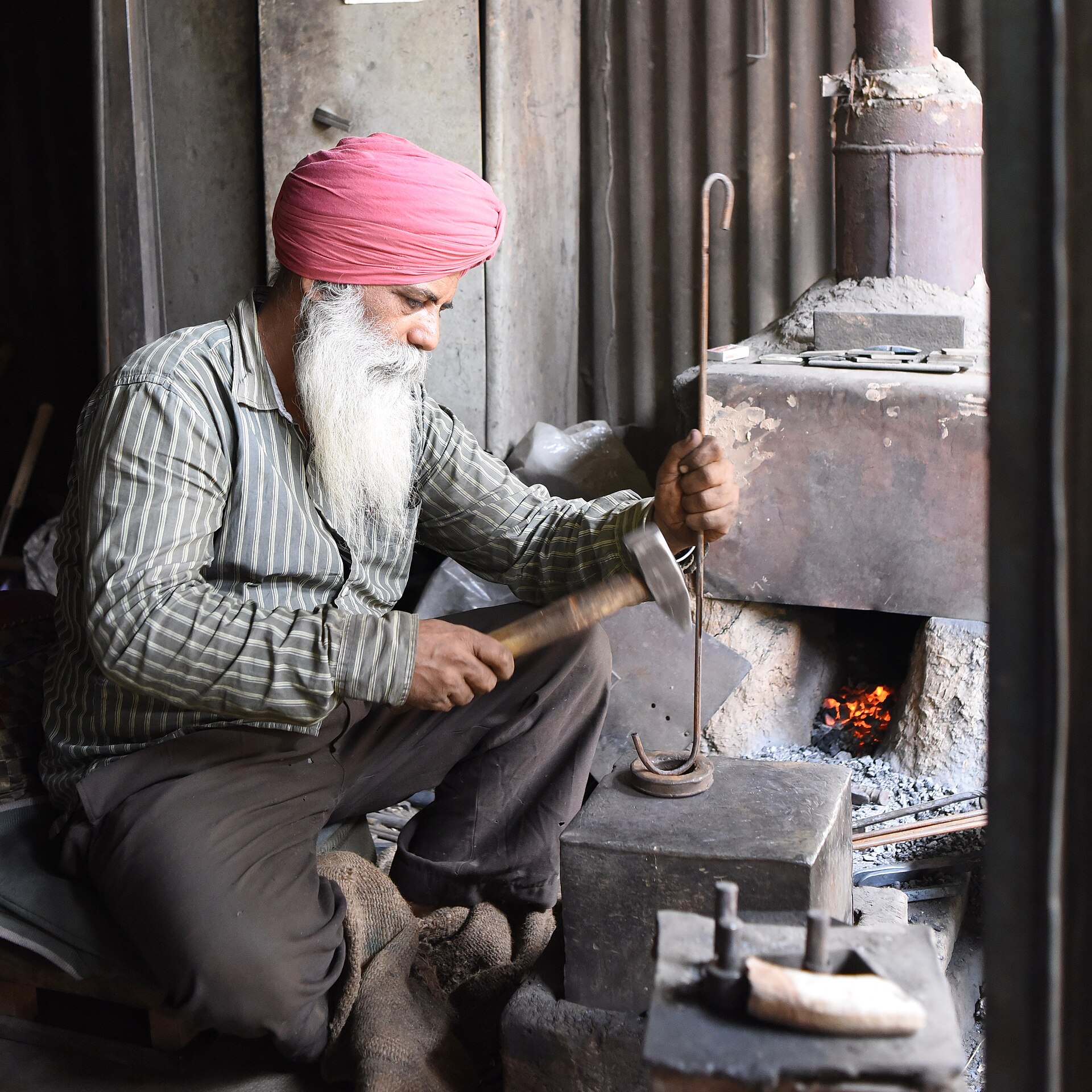
A blacksmith working on an iron rod at the anvilblacksmith · rod
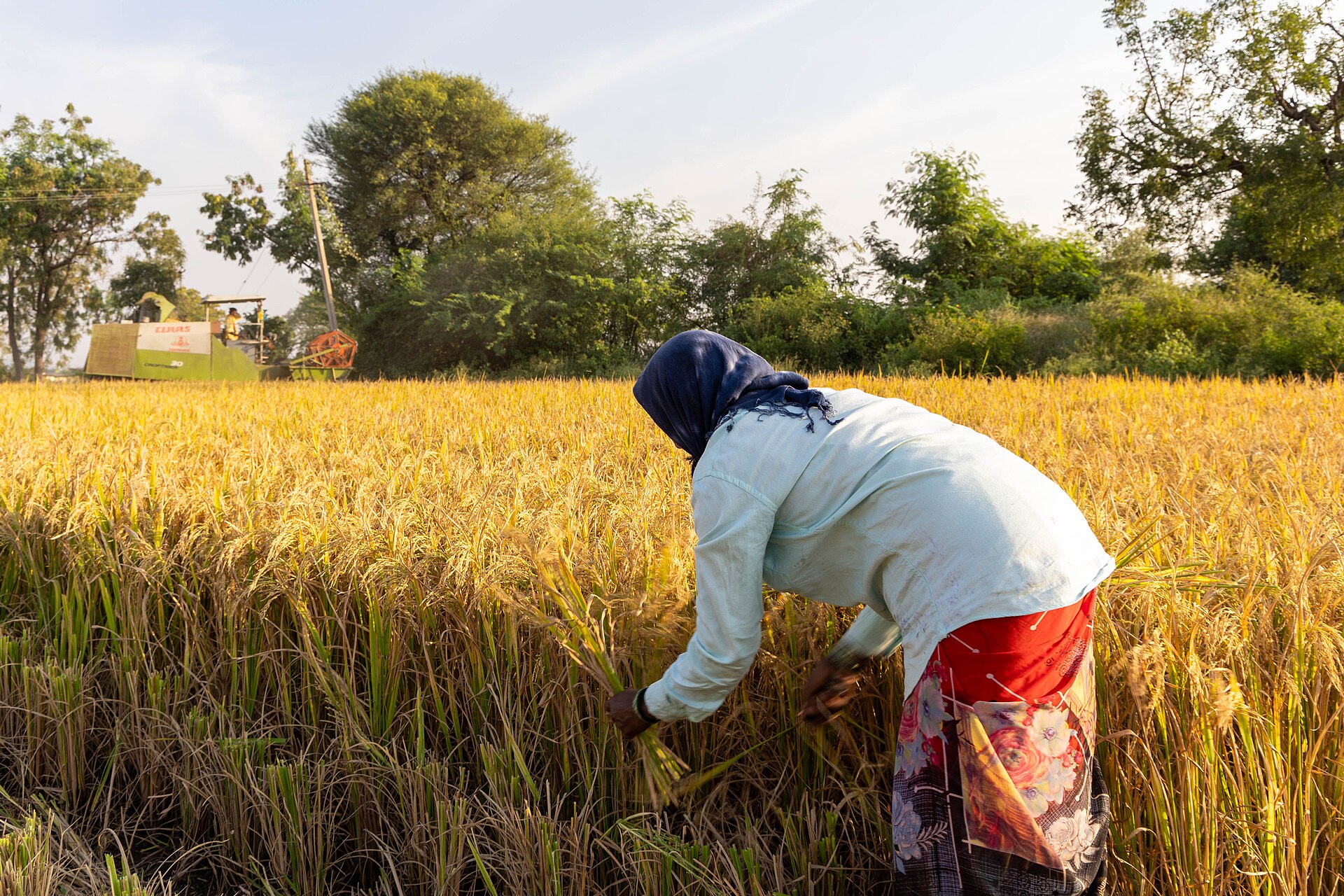
A farmer harvesting rice by hand in Raichur, Karnatakafarmer · Raichur
5supply partners already shipping
LiveQC pipeline, running end to end

07Vision

The road from today to 2045.

  1. This moment

    A handful of people in Bengaluru. A few rigs, five supply partners, a working QC pipeline, the first labs paying.

  2. The network ignites

    Factories, shops and field crews across India, then Latin America, Africa and Southeast Asia, start supplying through Modal Robotics.

  3. Robots learn to generalise

    Foundation models for the physical world finally stop failing outside the lab, because the data now exists at the scale they need.

  4. Skill becomes the newest asset

    Tens of millions of people earn from recording the work they already do. A lifetime of skill keeps paying after the hands stop working.

  5. As ordinary as the phone

    Families, shops, farms and clinics buy robots the way they once bought smartphones. Nobody using one needs to be a robotics expert.

  6. The last grunt job disappears

    Mining, deep-sea repair, disaster cleanup, elder care. Robots take on any physical task within days of seeing it done.

  7. The world after grunt work

    It is a Tuesday morning, and nobody you know is going to a job they hate. Work is chosen, not endured.

08Company

This has happened before.

In 1870 nobody could see the car, the skyscraper or the aeroplane. A handful of companies built for a small need they could see, anyway. What they built ended up powering a world nobody could see yet. They didn't build the future itself: they built what the future needed in order to exist.

GiantBuilt forEnded up powering
Standard Oil, 1870Kerosene for lampsThe car, the truck, the aeroplane
Carnegie, 1875Steel for railwaysSkyscrapers, bridges, modern cities
Edison, 1882Electric lightEvery factory, motor and home
Shell, 1892Shipping kerosene to AsiaFuel for a motorised planet
Ford, 1903Affordable carsMass production in every industry
Modal Robotics, 2026Data from real human work(still being written)
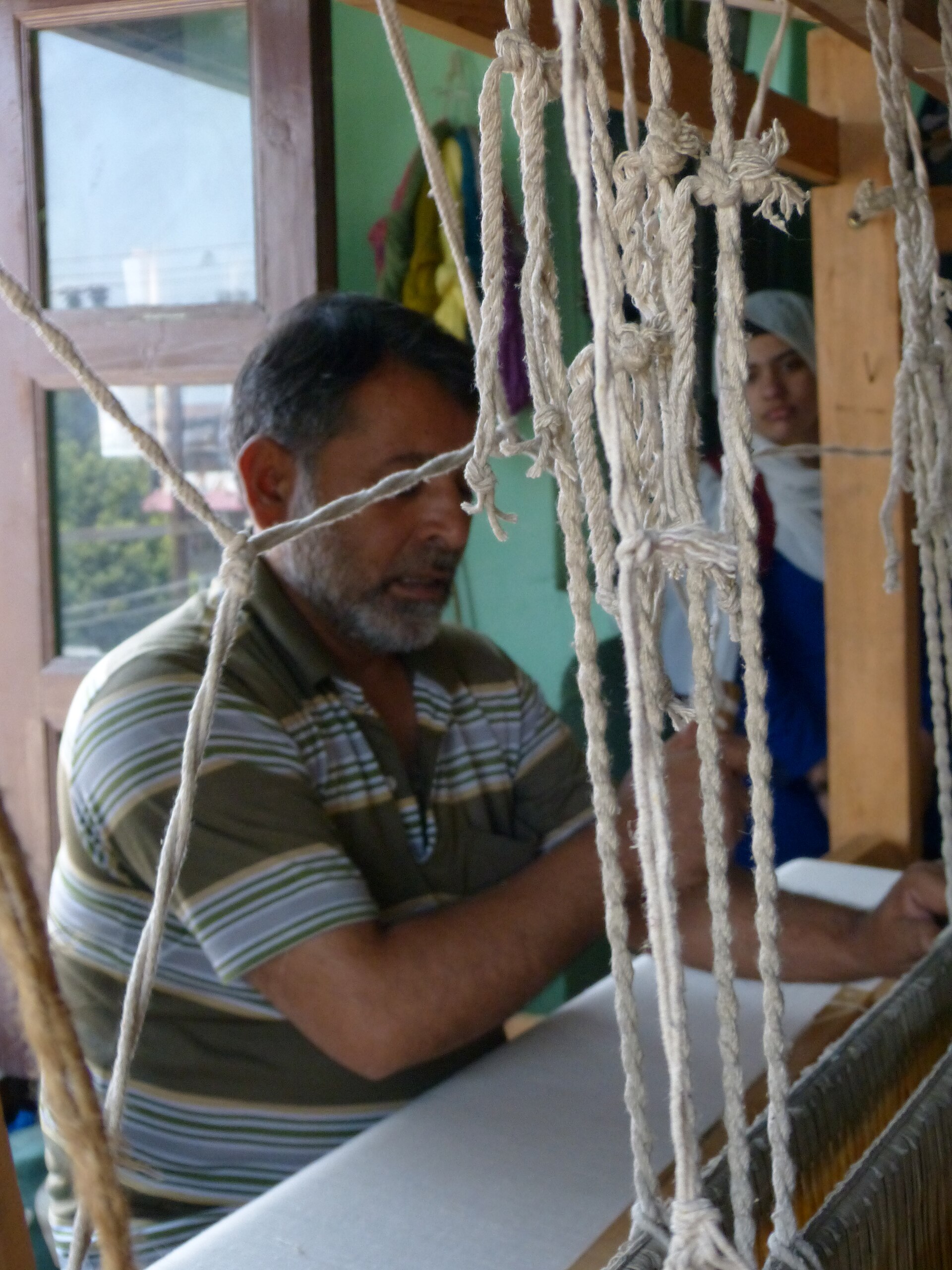
A Kashmiri shawl weaver at work on a traditional loomweaver · loom · Kashmir
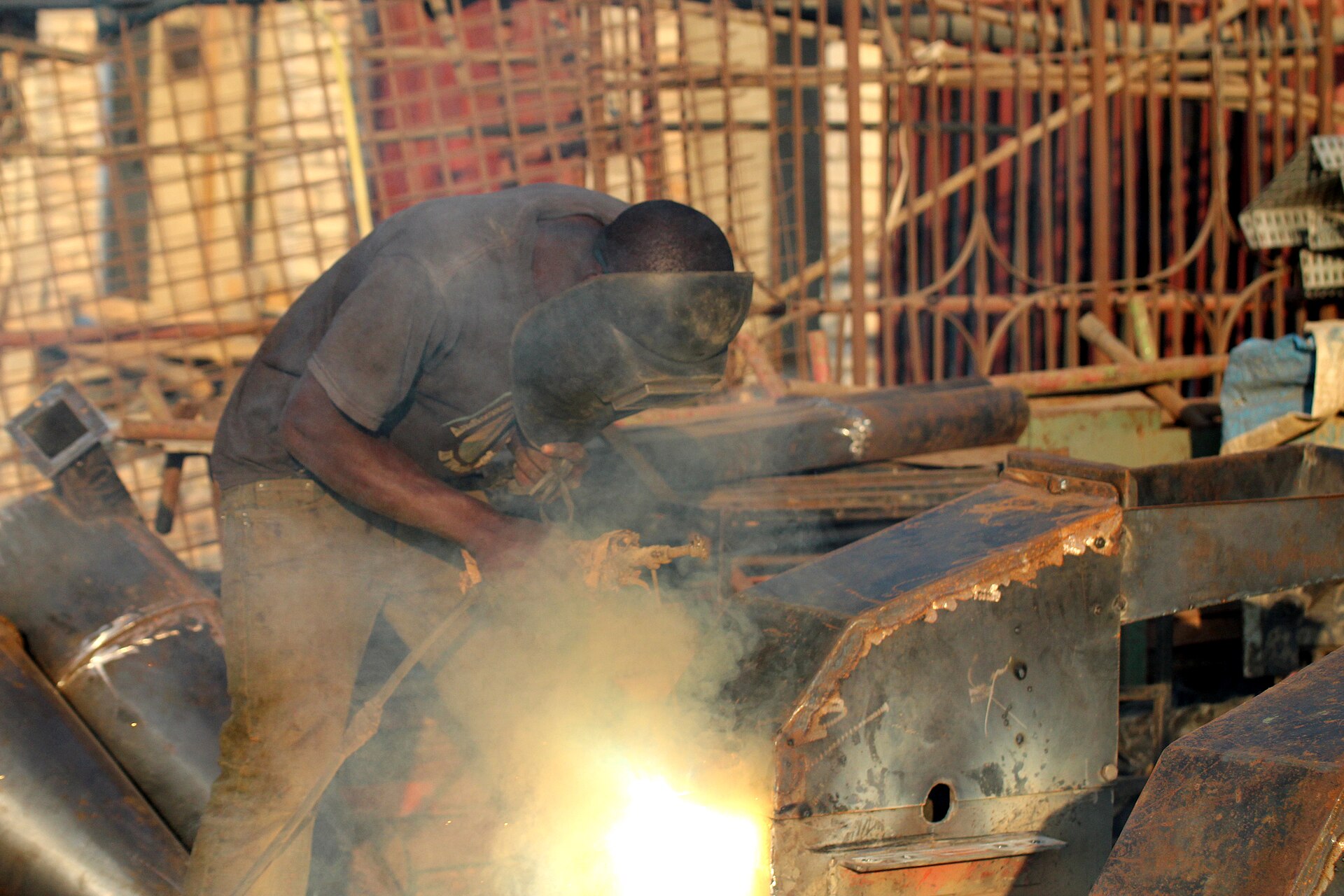
Hand work in the town of Iringa, Tanzaniametalwork · sparks · Iringa
A blacksmith shaping metal at the forgeblacksmith · hammer · forge
A farmer harvesting rice by hand in Raichur, Karnatakafarmer · sickle · Raichur

Every era gets one company that lays the ground everyone else builds on. It starts now.

We are the generation that ends grunt work.